
Our Clinical Approach: Pulse-Based Diagnosis and Dynamic Treatment
Introduction
Our clinical approach is grounded in Classical Chinese Medicine and distinguished by a pulse-centered method of assessment. Rather than beginning with symptom lists or disease labels, clinical evaluation focuses on identifying internal regulatory states through pulse diagnosis and related classical methods.
This approach allows treatment to be guided by a consistent medical logic, while remaining responsive to the patient’s condition as it presents in each visit. Clinical care is therefore understood as a dynamic process rather than a fixed protocol.

Pulse Diagnosis as the Foundation of Clinical Assessment
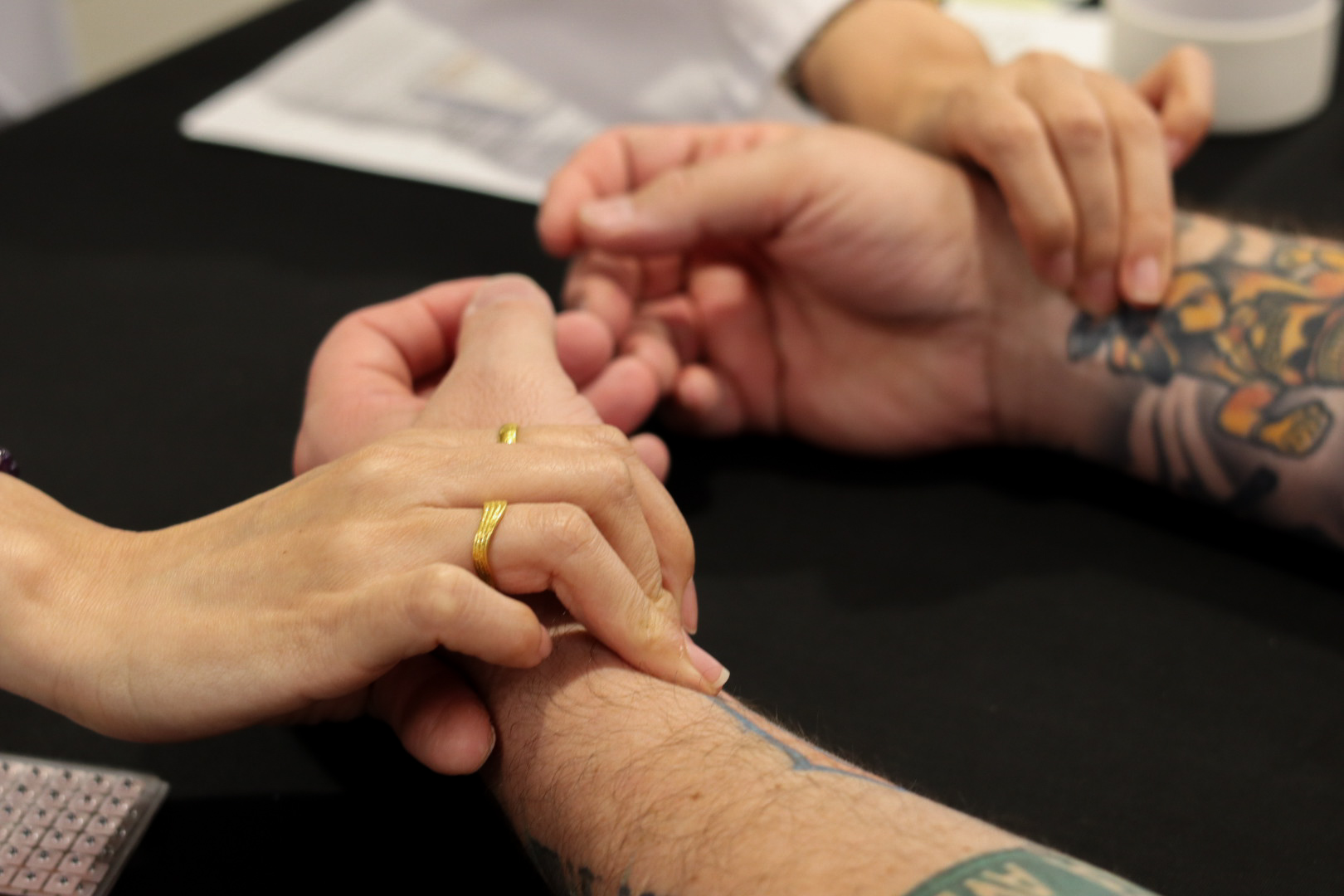
In Classical Chinese Medicine, the pulse is not viewed merely as a measure of circulation, but as a direct expression of internal functional relationships. Pulse diagnosis provides insight into qi dynamics, organ system interactions, regulatory directionality, and the body’s adaptive capacity.
Through careful pulse assessment, underlying patterns may be identified even when symptoms are vague, variable, or disproportionate to biomedical findings. This allows internal imbalances to be recognized before they fully manifest as overt disease, and supports a deeper level of clinical precision.
Symptoms are not treated as isolated targets, but interpreted as part of a broader internal state involving physiological regulation, emotional dynamics, and the movement of qi.
A Unified Medical Logic
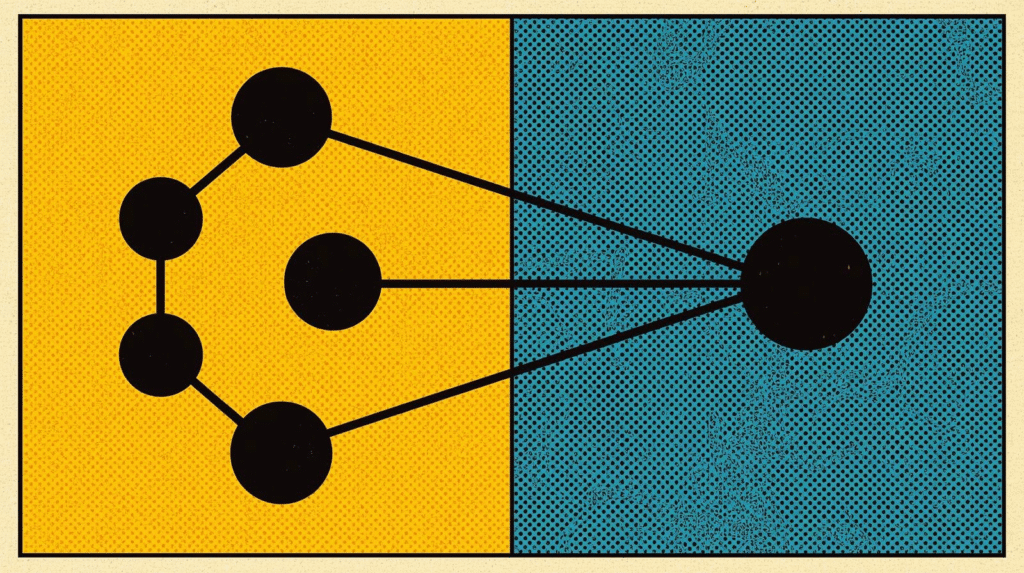
While clinical presentations may vary widely, our approach applies a single, coherent medical framework across all cases. Treatment decisions are not based on condition names or standardized formulas, but on the interpretation of internal patterns revealed through pulse diagnosis and systemic assessment.
In this framework, different conditions may reflect the same underlying pattern, while similar diagnoses may require entirely different strategies. The consistency lies not in repeating treatments, but in applying the same diagnostic and interpretive logic to each individual case.

Treatment Oriented to the Present State
Treatment is formulated according to the patient’s current internal condition, not their initial presentation or diagnostic history. Because internal states evolve over time, clinical care must remain adaptable.
Each treatment session reflects a reassessment of the pulse and overall pattern. Interventions—including acupuncture, herbal medicine, and lifestyle guidance—are selected and adjusted based on the patient’s present regulatory state, rather than adherence to predefined treatment plans.
Continuous Reassessment and Clinical Adjustment
Ongoing pulse evaluation allows treatment to evolve as the body changes, ensuring that care remains responsive rather than protocol-driven. Changes in the pulse and related findings guide refinement of treatment strategy from visit to visit.
Rather than progressing through a fixed sequence of treatments, care is shaped through continuous feedback. This allows clinical decisions to remain aligned with the patient’s evolving condition and supports sustained regulation rather than short-term symptom management.


Clinical Implications
This pulse-centered, dynamically adjusted approach allows a unified medical logic to be applied across a wide range of clinical conditions. It is particularly relevant in complex, chronic, or functionally driven presentations where symptoms alone do not adequately reflect internal imbalance.
By emphasizing internal assessment, present-state treatment, and ongoing evaluation, this approach supports care that is both systematic and individualized.
Conclusion
Our clinical approach reflects the practical application of Chinese Medicine as a living medical system. Through pulse-based assessment, unified medical reasoning, and continuous reassessment, treatment remains responsive, precise, and grounded in the patient’s current state rather than static diagnostic categories.
This assessment-driven approach allows a single clinical logic to be applied across a wide range of presentations, while remaining individualized.
To see how this approach is applied in practice, explore the clinical areas we commonly address.