
Foundations of Chinese Medicine: Qi, Yin–Yang, and Five Phases
What These Foundations Represent
Chinese medicine is built upon a coherent theoretical framework developed through long-term clinical observation of how the human body regulates, adapts, and recovers. The foundational concepts of Qi, Yin–Yang, and the Five Phases do not function as philosophical abstractions or symbolic metaphors. In clinical medicine, they serve as models of regulation, balance, and relationship.
These frameworks provide a structured way to understand complex physiological behavior—particularly when symptoms are multifactorial, dynamic, or resistant to standardized approaches. Together, they form the conceptual basis for assessment, treatment decision-making, and ongoing clinical adjustment.
Qi: Functional Activity and Regulation
Qi describes the functional activity of the body—how processes move, communicate, and transform. Rather than referring to a single substance or form of energy, qi represents the capacity for coordinated physiological function.
When qi regulation is smooth, the body adapts effectively to internal and external demands. When regulation becomes constrained, excessive, or depleted, dysfunction may arise across multiple systems simultaneously. Qi provides the foundational language for describing movement, circulation, responsiveness, and vitality in clinical terms.
Explore this concept in depth: Qi in Chinese Medicine: A Medical and Functional Explanation
Yin–Yang: A Regulatory Model of Balance and Change
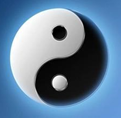
Yin–yang describes how physiological functions maintain dynamic balance. It does not represent fixed opposites, but rather complementary tendencies within the same system—such as activation and rest, warming and cooling, expansion and consolidation.
Health is understood not as a static equilibrium, but as the body’s ongoing ability to adjust these tendencies appropriately over time. Illness arises when this balance becomes poorly regulated or inflexible. Yin–yang provides a practical framework for recognizing directional imbalance and guiding treatment strategy.
Learn more: Yin–Yang in Chinese Medicine: A Regulatory Model for Balance and Change
Five Phases: A Relational Model of Physiological Systems
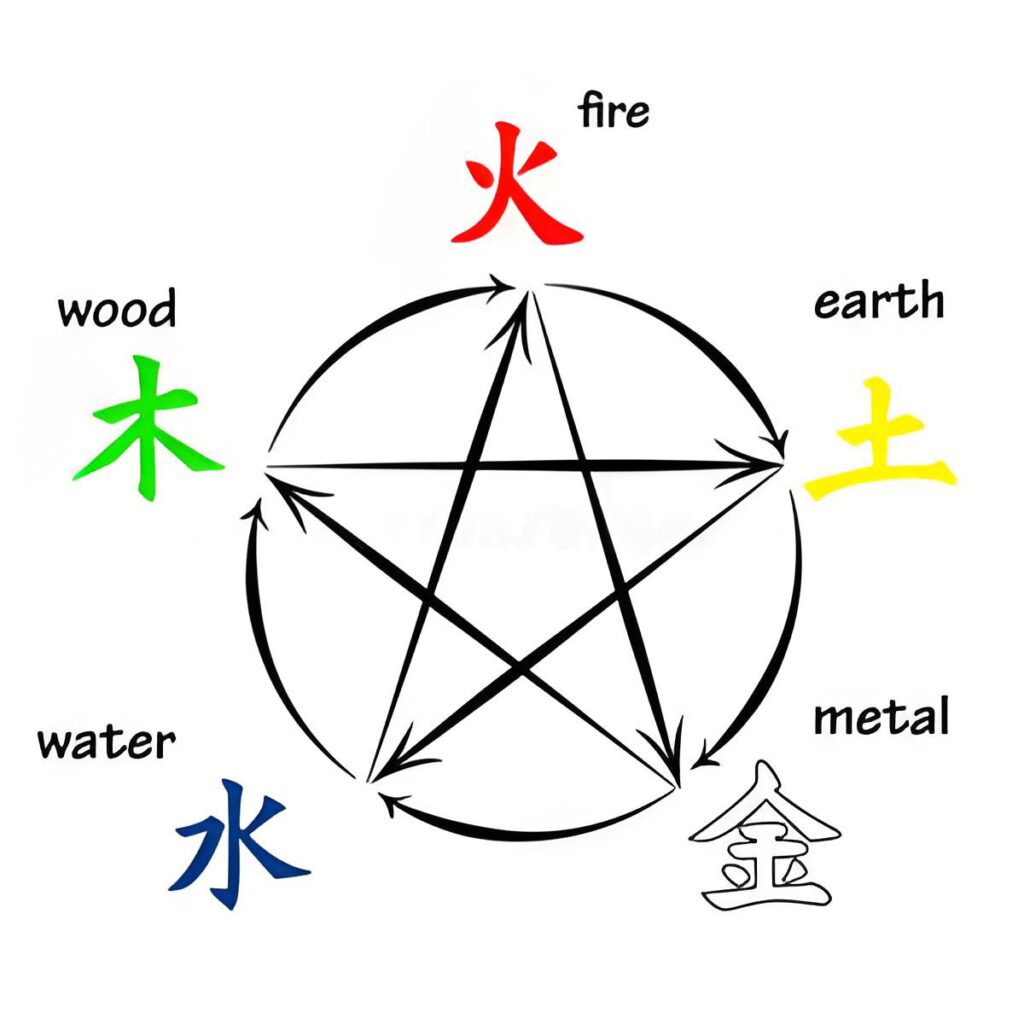
The Five Phases—Wood, Fire, Earth, Metal, and Water—function as a relational model describing how different physiological systems interact, support one another, and regulate excess.
Rather than representing physical elements, the Five Phases map patterns of interdependence, coordination, and restraint within a living organism. This model is particularly valuable in understanding chronic or complex presentations, where dysfunction in one system often affects others over time.
By emphasizing relationships rather than isolated parts, the Five Phases allow clinicians to recognize systemic patterns and guide coherent, individualized care.
Read more: Five Phases in Chinese Medicine: A Relational Model of Physiological Systems

From Theory to Clinical Assessment
These foundational models are not applied in isolation. Together, they inform how systemic regulation is assessed in real time through clinical methods—most notably, pulse diagnosis.
Qi describes functional activity, yin–yang describes balance and direction, and the Five Phases describe inter-system relationships. Pulse diagnosis serves as the interface through which these dynamics are evaluated in the living body at a given moment.
See how theory informs assessment: Pulse Diagnosis: A Systems-Based Clinical Assessment Method
Foundations as Clinical Logic, Not Philosophy
Although these concepts emerged within a historical and cultural context, their continued relevance lies in their clinical utility, not their antiquity. They persist because they offer a coherent way to interpret physiological complexity, guide individualized treatment, and adapt care over time.
In this practice, Qi, yin–yang, and the Five Phases are used as clinical logic, not symbolic belief systems. They support outcome-oriented care by focusing on regulation, adaptability, and systemic coherence.
Integrating Foundations into Clinical Care
Understanding these foundations helps clarify why a single clinical approach can be applied across a wide range of conditions while remaining individualized. Assessment and treatment are guided by underlying patterns rather than fixed disease labels.
See how these principles guide care:
Conclusion: A Coherent Medical Framework
Qi, yin–yang, and the Five Phases together form a unified framework for understanding health as a process of regulation and balance within a complex living system. These foundations support a form of medicine that is adaptive, individualized, and responsive to change—bridging theoretical insight with practical clinical application.