
Clinical Conditions We Address
Introduction
In Chinese Medicine, clinical conditions are understood as expressions of underlying patterns of imbalance, rather than fixed disease entities. As a result, treatment is not determined solely by diagnostic labels, but by an individualized assessment of how regulatory systems are functioning and interacting within the body.
This perspective allows a single, coherent medical framework to be applied across a wide range of clinical presentations, while still respecting the uniqueness of each patient’s condition.
Clinical conditions in our practice are not treated as isolated disease entities. All care begins with pulse-based assessment, which reveals the underlying regulatory patterns shaping each presentation.
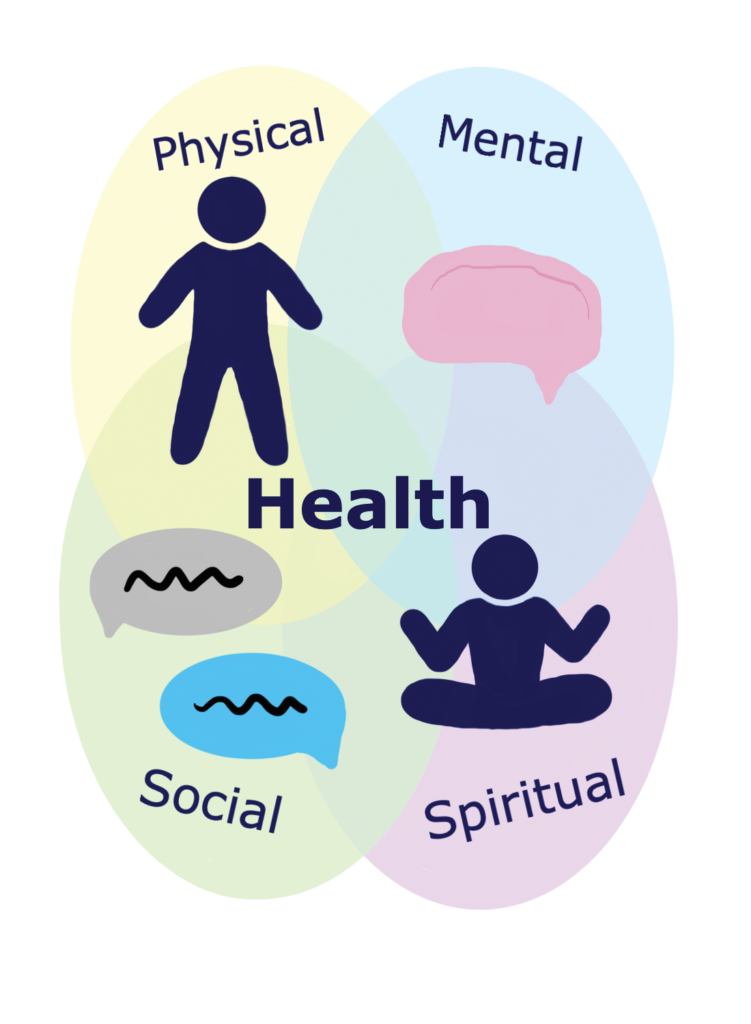
A Pattern-Based View of Clinical Conditions
From a Chinese medicine perspective, health reflects the body’s ability to regulate, adapt, and respond to internal and external influences. Clinical conditions arise when these regulatory processes become constrained, disrupted, or maladaptive over time.
Because of this, similar biomedical diagnoses may require different treatment strategies, while different diagnoses may share common underlying patterns. The categories below reflect clinical domains in which Chinese medicine is commonly applied, rather than a comprehensive list of diseases.
From a Chinese medicine perspective, symptoms are understood as outward expressions of deeper internal imbalance. Multiple symptoms often appear together and should not be viewed in isolation, as they reflect the body’s overall regulatory state rather than separate problems.
Clinical Areas Commonly Addressed
The conditions listed below are not treated as separate diseases, but as clinical presentations that often arise from underlying internal imbalance. Multiple symptoms frequently appear together and should not be viewed in isolation. In Chinese medicine, treatment focuses on addressing the internal root rather than targeting individual symptoms.
Digestive and Metabolic Regulation
Conditions involving digestion, absorption, and metabolic balance are often associated with disruptions in functional regulation rather than isolated pathology. Common presentations include:
- Bloating, abdominal discomfort, or irregular digestion
- Reflux, nausea, or appetite disturbances
- Functional bowel irregularities
- Metabolic imbalance and fatigue related to digestion
Although symptoms may differ, assessment focuses on shared underlying patterns rather than condition labels.
Pain and Musculoskeletal Conditions
Pain is understood not only as a localized phenomenon, but as an expression of impaired circulation, tension, or regulatory imbalance. Chinese medicine commonly addresses:
- Chronic or recurrent pain
- Headaches and tension-related discomfort
- Joint stiffness or limited mobility
- Musculoskeletal strain and overuse patterns
Although symptoms may differ, assessment focuses on shared underlying patterns rather than condition labels.
Women’s Health and Hormonal Regulation
Chinese medicine places particular emphasis on cyclical regulation and constitutional balance. Clinical care in this domain may involve:
- Menstrual irregularities or discomfort
- Cycle-related symptoms
- Fertility support and reproductive regulation
- Menopausal transition and associated changes
Although symptoms may differ, assessment focuses on shared underlying patterns rather than condition labels.
Stress, Sleep, and Emotional Regulation
Emotional state, sleep quality, and stress response are viewed as integral to physiological regulation. Clinical presentations in this category often include:
- Anxiety, stress, or emotional constraint
- Sleep disturbances or non-restorative sleep
- Fatigue, burnout, or diminished resilience
- Stress-related physical symptoms
Although symptoms may differ, assessment focuses on shared underlying patterns rather than condition labels.
Immune and Respiratory Patterns
Rather than focusing solely on pathogens, Chinese medicine considers immune function in terms of adaptive capacity and recovery. Common presentations include:
- Recurrent infections
- Allergic tendencies or sensitivities
- Lingering symptoms following illness
- Respiratory discomfort related to environmental factors
Although symptoms may differ, assessment focuses on shared underlying patterns rather than condition labels.
Chronic and Complex Presentations
Chinese medicine is frequently sought in cases involving long-standing or multifactorial conditions, particularly when symptoms do not align neatly with a single diagnosis. These presentations may involve overlapping patterns affecting multiple systems simultaneously.
Although symptoms may differ, assessment focuses on shared underlying patterns rather than condition labels.
An Individualized Clinical Perspective
In this framework, treatment is not dictated by condition names, symptom lists, or standardized protocols. Instead, care is guided by an evolving assessment of patterns involving qi dynamics, organ system relationships, constitutional tendencies, and temporal influences.
This individualized perspective allows Chinese medicine to remain flexible, responsive, and clinically precise across diverse presentations.
Relationship to Biomedical Diagnosis
Biomedical diagnoses can provide useful contextual information, particularly for communication and care coordination. However, they do not replace the pattern-based assessment that guides treatment decisions within Chinese medicine.
Different clinical conditions may be approached through similar strategies when underlying patterns align, while identical diagnoses may require different approaches when patterns differ.
Conclusion
The conditions outlined on this page represent areas of clinical application, not a comprehensive disease list. They reflect how Classical Chinese Medicine is applied in practice—through pattern recognition, systemic interpretation, and individualized treatment strategies.
If you are unsure how your symptoms fit within these categories, an individualized pulse-based assessment allows for clarification and appropriate clinical guidance.